Climate Justice
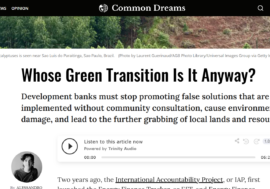
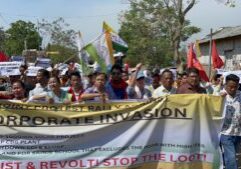
International Accountability Project knows that the impacts of climate change are disproportionately borne by communities that lack political and economic power in the decision-making processes affecting their lands, livelihoods, and environment. Movement-led successes have limited the climate-harming activities in some areas and have encouraged more “green” activities as legitimate alternatives.
It is imperative to recognize climate justice as an inclusive and intersectional movement. To many, this inter-connectivity is not a new realization, but it is a critical lens that governments, companies, and investors have yet to fully center in their response to the climate crisis.
With these realities in mind, IAP’s Climate Justice work has focused on supporting community-led campaigns related to projects and investments contributing to the climate crisis, including fossil fuels. IAP also supports communities to propose and engage with investments and projects that are part of a Just Transition to cleaner energy.
Featured Projects
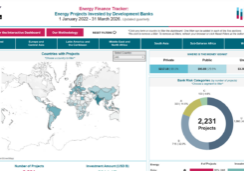
Energy Finance Tracker
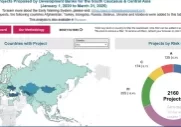
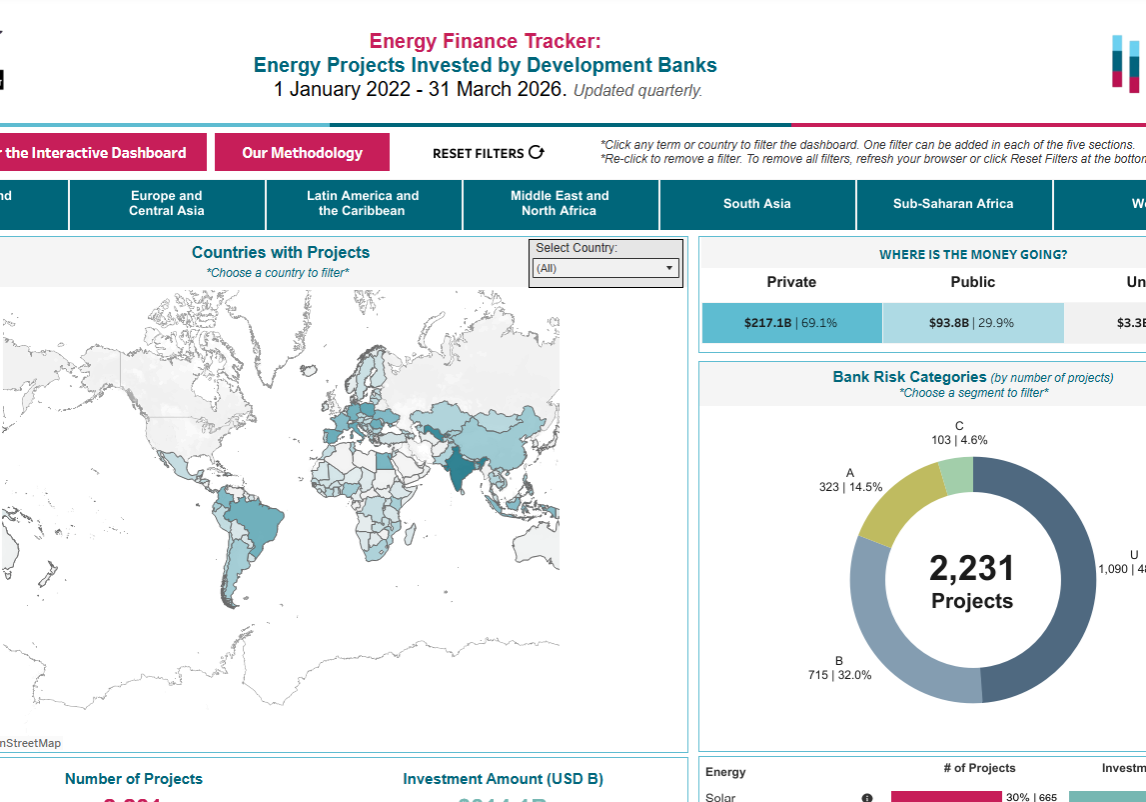
IAP through the Early Warning System released the Energy Finance Tracker (EFT), an interactive database designed to track investments in the energy sector and thereby strengthen advocacy strategies for a just energy transition. The EFT is for global civil society and communities to have access to reliable information about proposed and approved energy investments, including fossil fuel and renewable energy, as well as the governments, companies and investors involved.
The Energy Finance Tracker database includes +1000 energy investments from January 2022 valued at more than USD$160 billion for fossil fuel, renewable energy and other energy infrastructure and policy, as well as the public and private actors involved. The database identifies the roles of more than 600 private actors and 14 development banks in more than 160 countries. IAP hopes both the analysis and database below informs and supports your ongoing research and advocacy for Climate Justice and a Just Energy Transition. The EFT is an initiative of the Early Warning System (EWS) and has been updated quarterly.
Transition Minerals and Community Justice
As demand for transition minerals grows to power the global energy transition, communities and Indigenous Peoples are increasingly bearing the environmental and human rights costs of extraction. This campaign tracks transition minerals finance, exposes its impacts on people and nature, amplifies community voices, and pushes governments, development banks, and companies to uphold accountability, prevent harm, and support community-led approaches to a truly just transition.
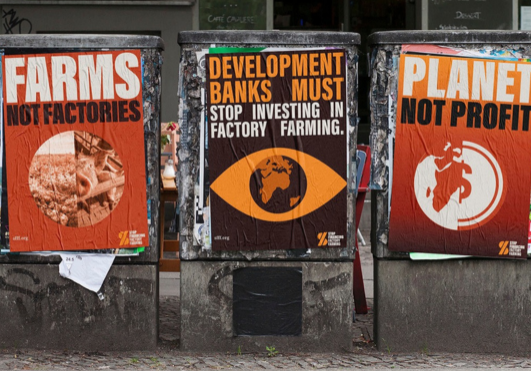
Stop Financing Factory Farming
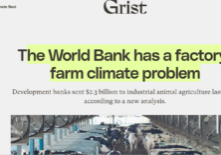
Since factory farming is a major contributor to climate change, IAP works in partnership with locally affected communities and organizations to shift finance away from industrial livestock production as part of The Stop Financing Factory Campaign. IAP is an integral intermediary between being directly involved in the local campaigns IAP supports and a key player in the global efforts to bring comprehensive and lasting results.
Global Investor–State Dispute Settlement Tracker
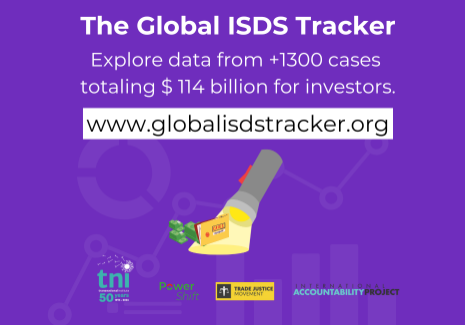
Investor–state dispute settlement (ISDS) are clauses in trade and investment agreements that allow companies to take legal action against states and their climate protection measures. IAP and partners revealed the staggering scale of corporate claims brought against countries which are led by the fossil fuel industry and currently at USD$13 billion. The public database, the Global ISDS Tracker allows advocates to uncover trends by geography, sector and claim-by-claim. Read more about the Global ISDS tracker in the press release, as well as in the related article in the Guardian: Secretive court system has awarded over $100bn public money to corporations, finds new analysis.
Related Medias