

IAP works for a world in which all people can shape the decisions that affect their homes, environment and communities.
OUR NEWS HIGHLIGHTS
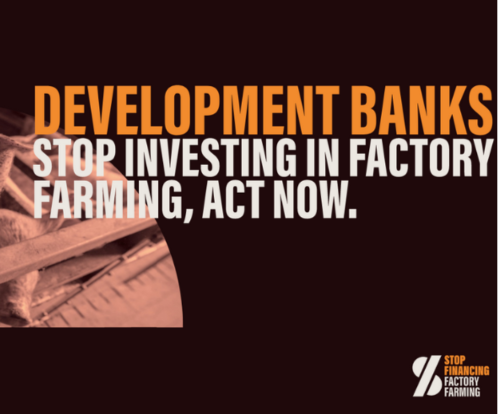
The Stop Financing Factory Farming Coalition reveals that major development banks are greenwashing industrial meat expansion. Through late disclosures and opaque funding, these institutions bypass safeguards and silence communities. This article highlights the urgent need to shift support from corporate interests toward transparent, local agroecological resilience.
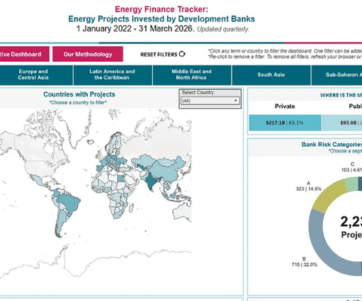
Development banks are pouring record levels of public finance into energy, but the benefits remain deeply uneven. Our latest Energy Finance Tracker analysis shows renewable investments rising alongside continued fossil fuel financing, growing high-risk projects, and private-sector dominance, raising urgent questions about who benefits, who bears the risks, and why.
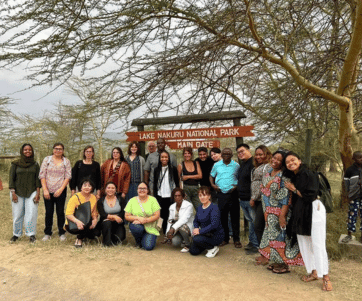
Through collaborative efforts and knowledge exchange with prominent organizations like ESCR-Net, NAMATI, and NYU Bernstein, IAP has developed tools and approaches that are being used in more than 20 countries to build community-led campaigns.
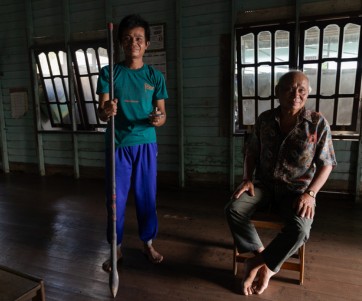
From rubber tapping at sunrise to weaving rattan bags by hand, Kalumpang’s Dayak community in Central Kalimantan, Indonesia, continues to adapt in the face of mounting challenges. Yet, what they truly long for is the return of their traditional rice seeds — a heritage destroyed by policies and industrial expansion. Their struggle is not just about food. It’s about dignity, memory, and survival.
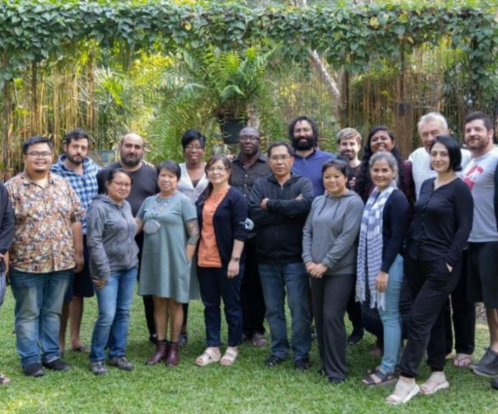
Community-led development shifts power from corporations to people, ensuring local experts define their own futures. This article documents the Global Advocacy Team’s initiative to advocate community-led development, proving that sustainable, rights-based solutions are only possible when communities move beyond mere consultation to full ownership and decision-making.
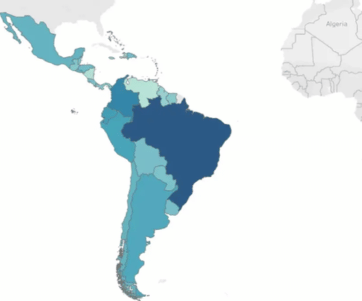
Our latest analysis of development bank investments in Latin America and the Caribbean shows that technical cooperation accounts for the largest share of projects tracked between 2024 and 2026. While often smaller in financing, these projects can shape policies, regulations, institutions, and future investments, making early monitoring essential for transparency, public participation, and meaningful community influence over development decisions.